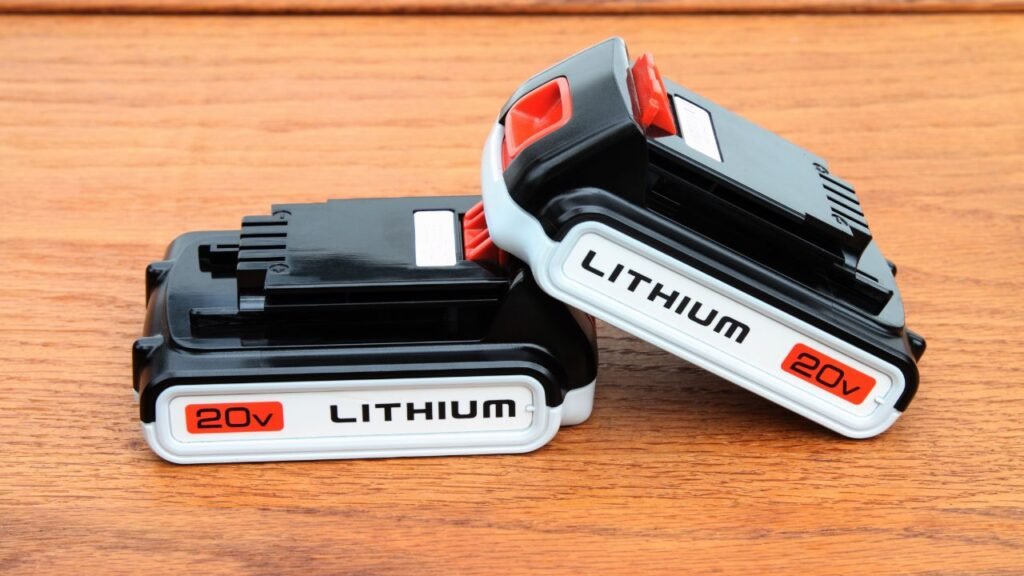

Every battery pack failure story usually traces back to one of two things: poor design or poor sourcing. Design gets a lot of attention because it’s visible, the BMS, the enclosure, the configuration. But cell sourcing often gets treated as a background detail, a line item to negotiate down on price. That’s a mistake. The quality of the cells going into a pack has a direct, measurable impact on how long that pack lasts, how safely it performs, and how much it ends up costing everyone involved when things go wrong.
Why Cell Quality Sets the Ceiling for Pack Performance
No amount of clever BMS engineering or enclosure design can fix a fundamentally weak cell. The cell is the foundation, and everything built around it, balancing, protection, thermal management, is designed to work within the limits that the cell itself sets. If the underlying cell has inconsistent capacity, poor internal resistance, or unreliable cycle life, the finished battery pack inherits all of those weaknesses no matter how well it’s assembled. This is why experienced manufacturers spend so much time vetting cell suppliers before they ever get to pack design.
The Hidden Cost of Inconsistent Cells
Cells from the same production batch don’t always perform identically, and low-quality manufacturing processes make this variation worse. When cells with mismatched capacity or resistance end up in the same pack, the weakest cell becomes the bottleneck. It reaches full charge or empty discharge before the others, forcing the BMS to either limit the whole pack’s usable capacity or risk damaging that weaker cell through repeated stress. Over time, this imbalance accelerates degradation across the entire pack, not just the weak cell, shortening the effective lifespan of a product that might have been marketed with a much longer expected life.
Manufacturing Defects and Long-Term Failure Risk
Cheaper cell sources often cut corners in manufacturing processes like electrode coating consistency, electrolyte purity, and separator quality. These defects aren’t always obvious in initial testing. A cell can pass a basic capacity check and still carry manufacturing flaws that only show up after hundreds of charge cycles, appearing as accelerated capacity fade, increased internal resistance, or in worse cases, internal short circuits that lead to safety incidents. This is exactly why reputable cell manufacturers invest heavily in process control and testing that goes well beyond a simple capacity measurement.
Grading and Matching: A Step That Can’t Be Skipped
Proper cell grading, sorting cells by capacity, internal resistance, and voltage before they’re matched into a pack, is one of the most important quality control steps in the entire manufacturing process. Suppliers who skip or rush this step to save time and cost are essentially gambling with the pack’s long-term reliability. Well-graded, closely matched cells age together more evenly, which means the pack maintains balanced performance for years instead of degrading unevenly as mismatched cells drift further apart over time.
How Sourcing Quality Affects Safety, Not Just Performance
Reliability isn’t only about how long a battery lasts, it’s also about how safely it behaves as it ages. Poor-quality cells are more prone to internal defects that increase the risk of thermal events, especially as they degrade with use. A well-sourced cell, built with consistent manufacturing standards and proper quality testing, carries a meaningfully lower risk profile over its lifetime. For applications like EVs, solar storage, or telecom backup, where battery failure has real safety and financial consequences, this isn’t a minor consideration, it’s central to the entire product’s viability.
What Buyers Should Ask Their Battery Suppliers
If you’re sourcing finished battery packs rather than raw cells, you’re still exposed to this risk, just one step removed. Ask your supplier directly where their cells come from, what certifications the cell manufacturer holds, and whether they can provide batch-level test data showing capacity and resistance consistency. A supplier who’s transparent about their cell sourcing and can back it up with documentation is a far safer long-term partner than one who’s vague about where their components originate or unwilling to share testing data.
Why This Matters More for Bulk and Long-Term Deployments
The impact of poor cell sourcing compounds significantly for businesses deploying battery packs at scale. A single weak pack might be an inconvenience. Hundreds or thousands of packs built on inconsistent cell quality becomes a widespread reliability problem, affecting brand reputation, warranty costs, and customer trust across an entire product line or fleet. This is exactly why large-scale buyers, whether EV manufacturers, solar companies, or fleet operators, should treat cell sourcing transparency as a non-negotiable part of supplier evaluation, not an afterthought.
Final Thoughts
Long-term battery pack reliability starts long before assembly, it starts with the quality of the cells themselves. Consistent capacity, proper grading, rigorous manufacturing standards, and transparent testing data all determine how well a pack performs not just on day one, but years into its service life. Cutting corners on cell sourcing to save a small amount on unit cost almost always costs more in replacements, warranty claims, and safety risk down the line.
Working with a Lithium Battery Packs & Cells Supplier in India who prioritizes cell quality and sourcing transparency gives you a genuine foundation for reliability, rather than a battery pack that looks good on paper but fails to hold up under real-world, long-term use.