When you’re sourcing lithium battery packs for your business, one of the first decisions you’ll face is whether to go with a standard, off-the-shelf pack or invest in a fully custom solution. It’s not always an obvious choice. Custom packs offer precision and flexibility, but they come with longer lead times and higher upfront costs. Off-the-shelf packs are faster and cheaper to procure, but they might not actually fit your application as well as you think.
For B2B buyers, especially those sourcing at volume, getting this decision right affects everything from product performance to long-term cost and scalability. Here’s what you need to know before choosing between the two.
What Are Off-the-Shelf Battery Packs?
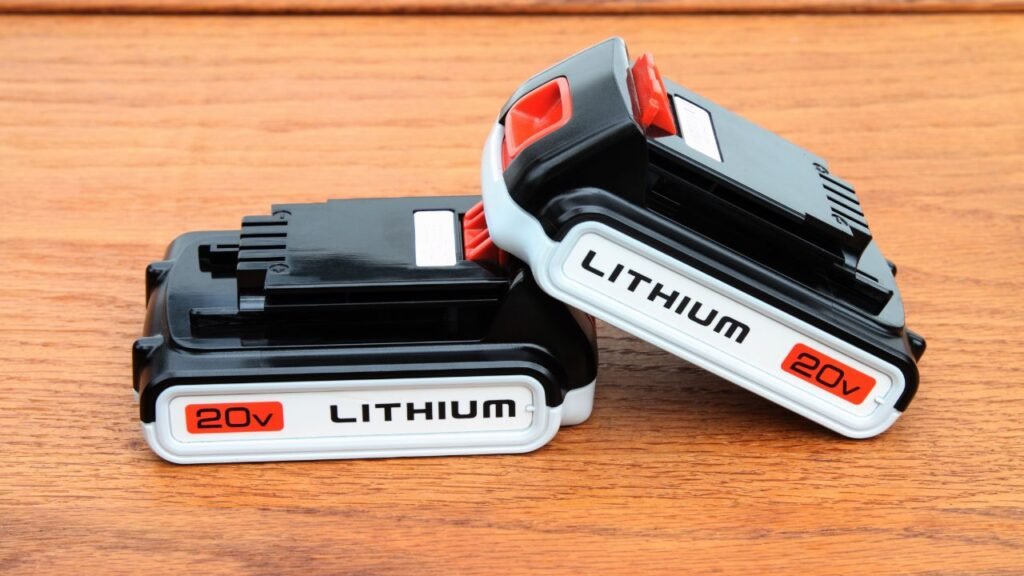
Off-the-shelf battery packs are pre-designed, standardized products manufactured in common voltage, capacity, and form factor configurations. They’re built to serve a broad range of general applications rather than one specific use case, which allows manufacturers to produce them in larger volumes at lower per-unit costs.
These packs typically come with standard BMS configurations, common connector types, and generic enclosures designed to fit widely used equipment specifications.
What Are Custom Battery Packs?
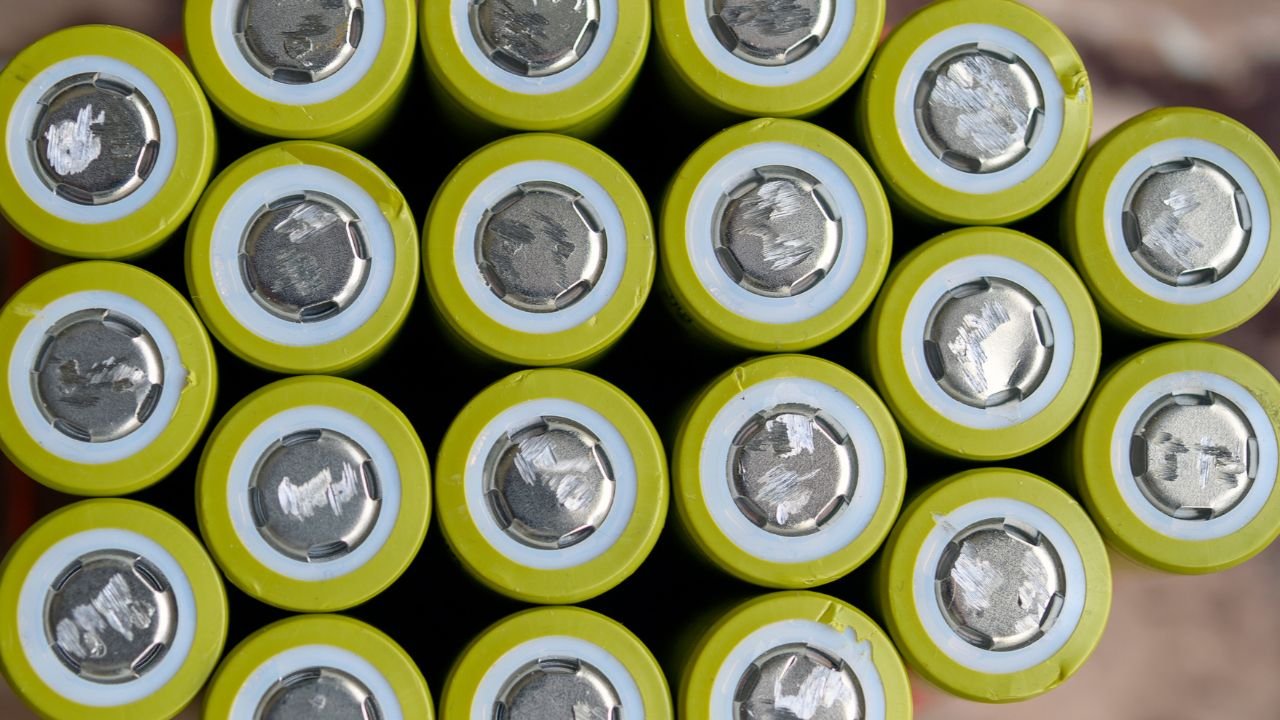
Custom battery packs are designed and engineered specifically for a defined application, whether that’s a unique product design, a specific voltage and capacity requirement, or particular environmental and safety conditions. This includes tailored cell configuration, custom BMS programming, application-specific enclosures, and connectors matched precisely to your equipment.
Custom solutions involve upfront engineering work, prototyping, and testing before full-scale production begins, which naturally extends lead time and initial cost compared to buying an existing product off the shelf.
Advantages of Off-the-Shelf Battery Packs
Faster Procurement
Since these packs already exist in standard configurations, they’re typically available for immediate or near-immediate shipping, which matters when you need to move quickly on a project or fill an urgent order.
Lower Upfront Cost
Without the need for custom engineering, prototyping, and tooling, off-the-shelf packs generally cost less per unit, especially for smaller order quantities where custom development costs would be harder to justify.
Simpler Evaluation
Standard packs come with established specifications and, often, a track record of use across multiple applications, making it easier to evaluate performance data and compare options across different suppliers.
Limitations of Off-the-Shelf Battery Packs
Compromised Fit
A standard pack might not perfectly match your voltage, capacity, or physical space requirements, forcing you to either adapt your product design around the battery or accept suboptimal performance.
Generic BMS Configuration
Standard BMS settings are designed for broad compatibility, not the specific demands of your application. This can mean less precise cell balancing, protection thresholds that aren’t optimized for your use case, or missing features like advanced remote monitoring.
Limited Differentiation
If you’re building a product for a competitive market, using the same off-the-shelf battery pack as your competitors offers no performance or design advantage, which matters if battery performance is a key differentiator for your product.
Advantages of Custom Battery Packs
Precise Application Fit
Every aspect of the pack, from voltage and capacity to physical dimensions and connector type, is engineered specifically for your product, eliminating compromises and ensuring optimal performance for your exact use case.
Optimized BMS Programming
Custom BMS configuration allows for precise cell balancing, protection thresholds, and communication protocols tailored to your application’s real-world operating conditions, whether that’s an EV, industrial system, or telecom deployment.
Better Long-Term Performance and Safety
Since every component is matched to your specific requirements rather than adapted from a generic design, custom packs typically deliver more consistent performance, longer lifespan, and better safety margins for demanding applications.
Competitive Advantage
For businesses building differentiated products, a custom battery solution can become part of your product’s competitive edge, whether that’s through better range, faster charging, more compact design, or enhanced safety features.
Limitations of Custom Battery Packs
Longer Lead Times
Custom engineering, prototyping, and testing take time. Depending on complexity, custom pack development can add weeks or months to your procurement timeline compared to ordering an existing standard product.
Higher Upfront Investment
Engineering and tooling costs are typically higher for custom solutions, particularly for smaller initial order volumes where these costs can’t be spread across as many units.
Requires Closer Supplier Collaboration
Custom development demands more back-and-forth between your team and the supplier’s engineering team to finalize specifications, which requires more time and internal resources compared to simply selecting a standard product from a catalog.
How to Decide Between Custom and Off-the-Shelf
Consider your application’s uniqueness
If your product has standard voltage and capacity requirements that align well with common industry configurations, an off-the-shelf pack might serve you perfectly well without unnecessary added cost or lead time.
Consider your order volume
For high-volume orders, the upfront engineering cost of a custom pack gets amortized across more units, often making custom solutions more cost-effective at scale than they initially appear.
Consider your timeline
If you need battery packs quickly for an urgent project or a smaller pilot run, off-the-shelf options let you move faster, with the option to transition to a custom solution later as your requirements become clearer.
Consider your competitive strategy
If battery performance is a meaningful differentiator for your product, whether in EVs, consumer electronics, or industrial equipment, investing in a custom solution may be worth the additional time and cost.
A Middle Ground: Semi-Custom Solutions
Many suppliers offer semi-custom options that fall between fully standard and fully custom packs. This might mean using a standard cell configuration with custom BMS programming, or a standard pack design with a customized enclosure to fit your specific equipment. This approach can offer a reasonable balance of cost, lead time, and application fit for businesses that don’t need a fully bespoke solution but still require some level of customization.
Final Thoughts
There’s no universally correct answer between custom and off-the-shelf battery packs. The right choice depends on your application requirements, order volume, timeline, and how much battery performance matters to your product’s competitive position.
For B2B buyers evaluating this decision, the most important step is having an honest conversation with your supplier about your actual requirements, rather than defaulting to whichever option seems simpler or cheaper on the surface.
A capable Lithium Battery Packs & Cells Supplier in India should be able to guide you through this decision, offering standard products where they genuinely fit your needs and custom engineering where precision and performance genuinely matter for your application.