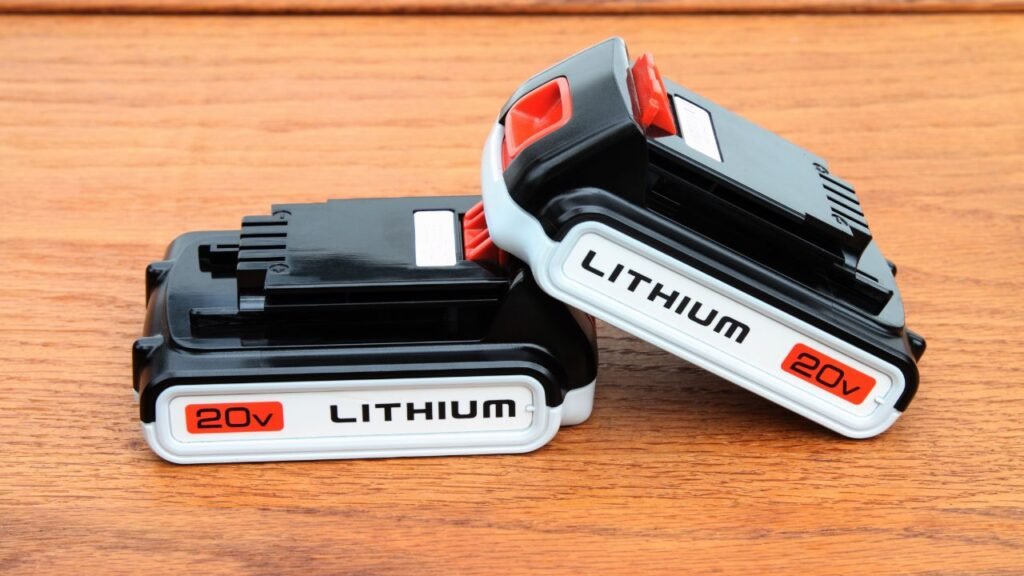
Ever wondered what actually goes into building a lithium battery pack before it ends up powering an EV, a solar system, or an industrial UPS? It’s not just a matter of stacking a few cells together and connecting some wires. Manufacturing a reliable lithium battery pack involves precise engineering, rigorous testing, and multiple quality checks at every stage.
If you’re a business owner evaluating suppliers, understanding this process helps you ask the right questions and spot the difference between a properly engineered battery pack and a rushed, low-quality one. Here’s a complete breakdown of how lithium battery packs are made, from raw cell to finished product.
Step 1: Cell Selection and Sourcing
Everything starts with the battery cells themselves. Manufacturers choose between chemistries like LiFePO4 or NMC based on the intended application, whether it’s an EV, solar storage system, telecom backup unit, or industrial equipment.
At this stage, quality control is critical. Reputable manufacturers source cells from certified vendors and verify key specifications such as capacity, internal resistance, voltage consistency, and cycle life ratings. Any inconsistency here carries through the entire pack, so cell sourcing is one of the most important steps in the whole process.
Step 2: Cell Grading and Matching
Not all cells, even from the same production batch, perform identically. Before assembly, cells go through a grading process where each one is tested individually for capacity, internal resistance, and voltage.
Cells with closely matched characteristics are grouped together for pack assembly. This step matters more than most people realize. If mismatched cells are combined in a single pack, the weakest cell limits the performance of the entire pack and can cause premature failure, overheating, or reduced overall lifespan.
Step 3: Pack Configuration Design
Once cells are graded, engineers determine the pack configuration based on the required voltage and capacity. This is typically expressed as a series and parallel arrangement, for example, a 4S2P configuration means four cells connected in series and two in parallel.
The configuration depends entirely on the end application. An EV battery pack, a solar storage unit, and a telecom backup system all require different voltage and capacity outputs, so this design step is customized for each use case.
Step 4: Spot Welding and Cell Interconnection
With the configuration finalized, cells are physically connected using precision spot welding with nickel strips or busbars. This step requires extreme accuracy. Poor welding can create high-resistance points that generate excess heat during charging and discharging, which reduces efficiency and increases safety risk.
Automated welding machines are commonly used in professional manufacturing setups to ensure consistent weld quality across every connection point in the pack.
Step 5: Integrating the Battery Management System (BMS)
This is one of the most important components in any lithium battery pack. The BMS monitors and controls the battery’s performance in real time, managing:
- Overcharge and over-discharge protection
- Cell balancing across the pack
- Temperature monitoring
- Short circuit protection
- State of charge (SOC) calculation
A well-designed BMS extends battery life, prevents safety incidents, and ensures consistent performance across all cells in the pack. This is also where the quality of a manufacturer really shows, since a poorly calibrated BMS can undermine even the best battery cells.
Step 6: Assembly and Enclosure
Once the cells are interconnected and the BMS is integrated, the entire assembly is housed in a protective enclosure. Depending on the application, this could be a rigid metal casing for industrial use, a lightweight polymer casing for consumer electronics, or a ruggedized housing for EV and outdoor applications.
The enclosure is designed to protect against physical damage, dust, moisture, and vibration, while also allowing proper heat dissipation to keep the pack operating within a safe temperature range.
Step 7: Quality Testing and Validation
Before any battery pack leaves the factory, it goes through extensive testing to confirm it meets performance and safety standards. Common tests include:
- Capacity and discharge rate testing
- Cycle life testing
- Short circuit and overcharge protection testing
- Temperature and thermal stability testing
- Vibration and drop testing for durability
Reputable manufacturers also test packs under real-world load conditions to simulate how they’ll actually perform once deployed. This stage often includes certification testing such as UN38.3, which is mandatory for lithium battery transportation and export.
Step 8: Final Inspection and Packaging
After passing all quality checks, each battery pack undergoes a final visual and functional inspection. This includes checking for proper labeling, connector fitment, firmware calibration on the BMS, and overall build quality.
Packs are then packaged according to safety regulations for lithium battery shipping, which includes specific labeling, insulation, and handling requirements to prevent damage or safety incidents during transport.
Why This Process Matters for Buyers
If you’re sourcing battery packs for your business, this step-by-step process explains why not all suppliers deliver the same quality, even when using similar cell chemistries. Cutting corners at any stage, whether it’s skipping cell grading, using a low-quality BMS, or bypassing proper testing, directly affects the safety, performance, and lifespan of the final product.
This is exactly why choosing an experienced Lithium Battery Packs & Cells Supplier in India matters so much. A trusted manufacturer follows every step of this process with proper quality control, uses certified components, and provides documentation and test reports to back up their claims.
Final Thoughts
Manufacturing a lithium battery pack is a detailed, multi-stage process that goes far beyond simply wiring cells together. From cell grading and BMS integration to rigorous safety testing, every step directly impacts how well the pack performs in real-world conditions.
If you’re evaluating suppliers for your next project, whether it’s for EVs, solar storage, telecom, or industrial applications, understanding this manufacturing process helps you ask better questions and make a more informed decision.
Partnering with a reliable Lithium Battery Packs & Cells Supplier in India ensures you get properly engineered, tested, and certified battery packs built specifically for your application, rather than a generic product that cuts corners on quality and safety.